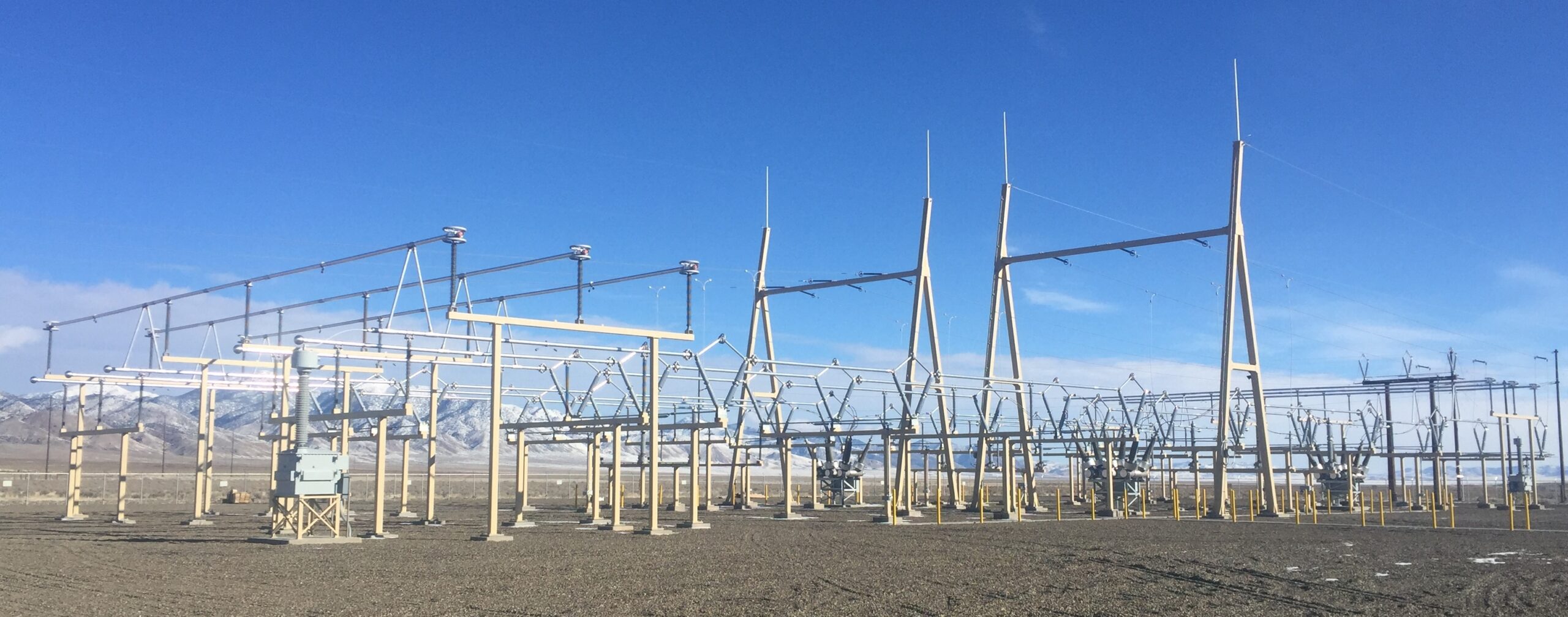
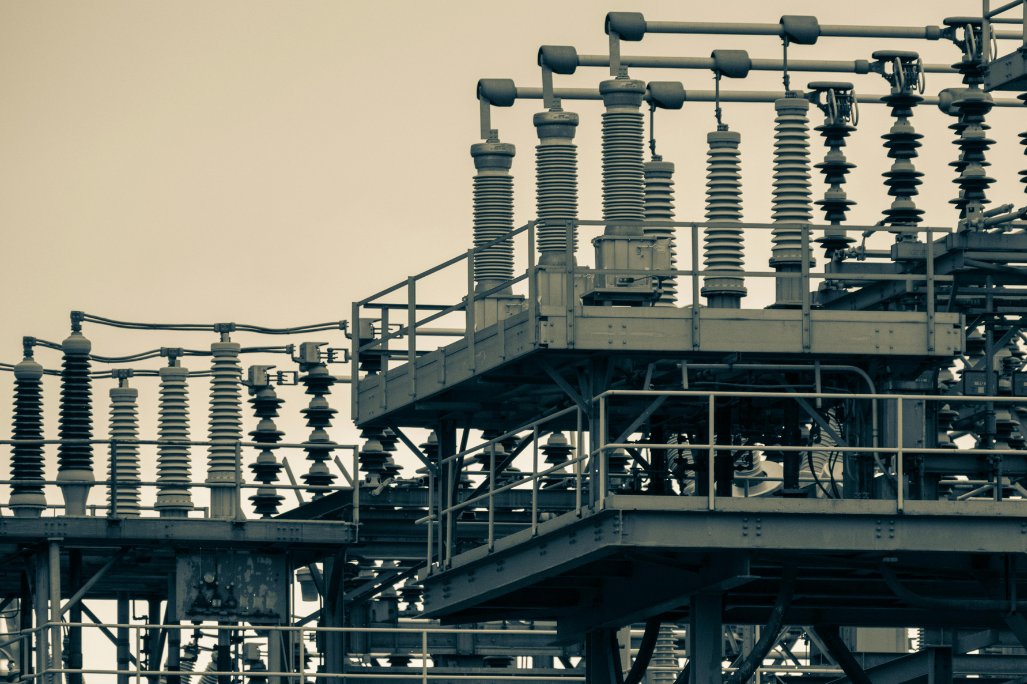
When you think of the critical components of an electrical substation, transformers, circuit breakers, and switches might come to mind. However, one key element often overlooked is the station post insulator. These unsung heroes ensure the safety and reliability of the entire system by insulating high-voltage components and supporting mechanical loads. In this blog post, we’ll dive into the importance of station post insulators, explore the various types available, and discuss how they’re tailored for different operational conditions in industrial and utility applications.


The Backbone of Substations: Understanding Station Post Insulators

October 20, 2025

When you think of the critical components of an electrical substation, transformers, circuit breakers, and switches might come to mind. However, one key element often overlooked is the station post insulator. These unsung heroes ensure the safety and reliability of the entire system by insulating high-voltage components and supporting mechanical loads. In this blog post, we’ll dive into the importance of station post insulators, explore the various types available, and discuss how they’re tailored for different operational conditions in industrial and utility applications.
What Are Station Post Insulators?

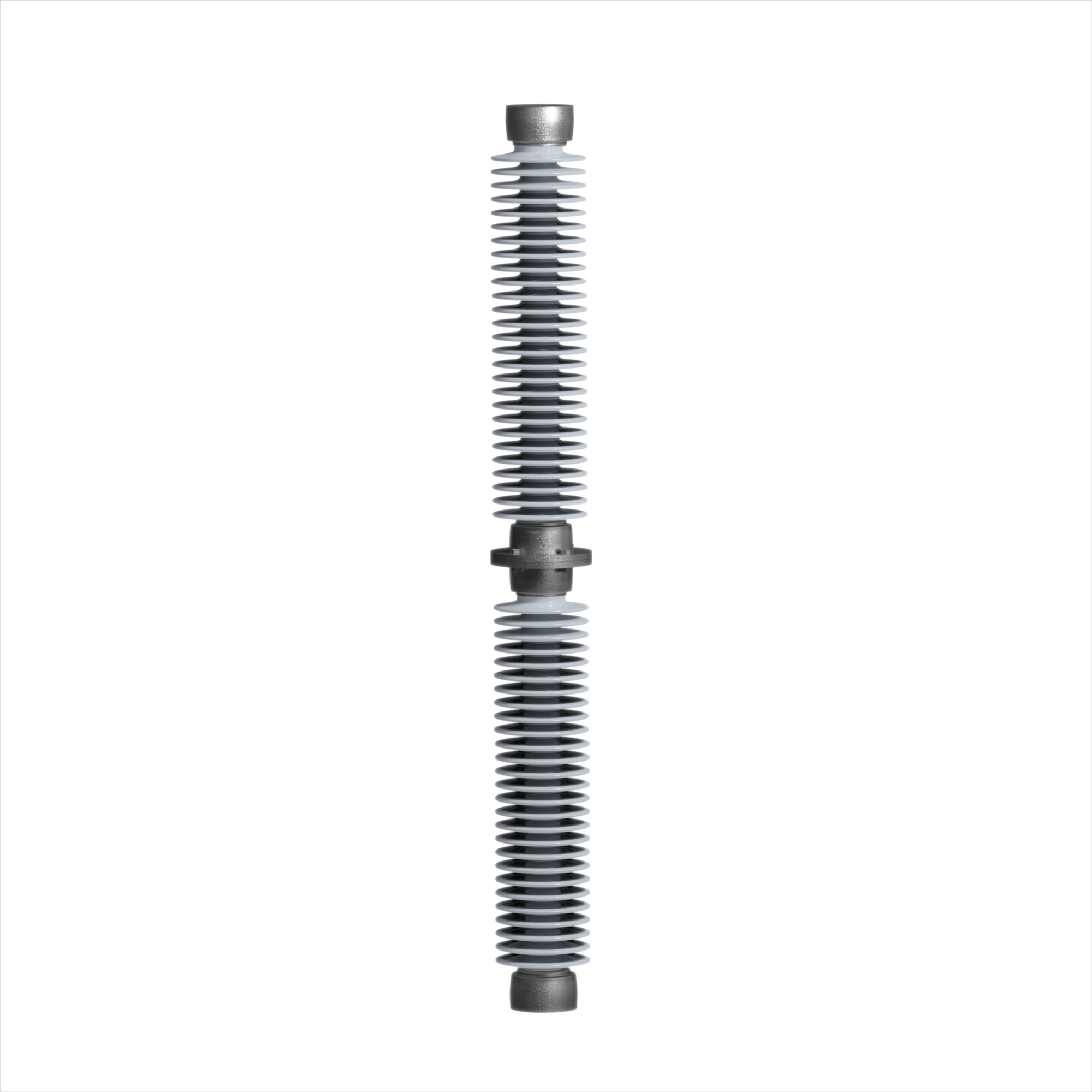
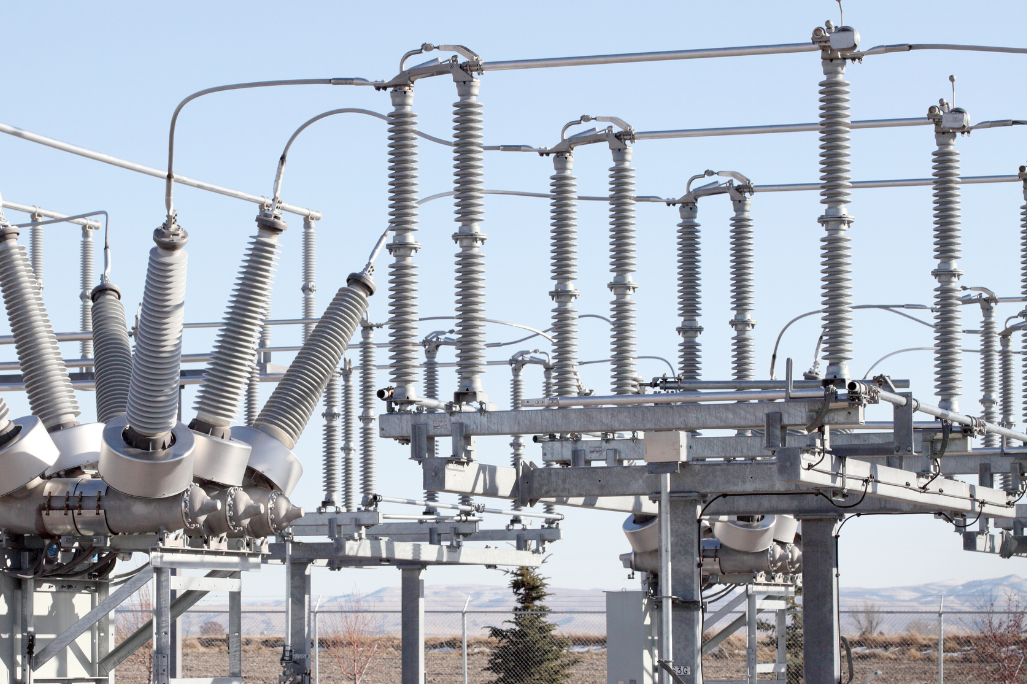
Station post insulators are essential components used to mechanically support and electrically isolate other equipment in substations. Typically made of porcelain and covered with a protective glaze, these insulators are designed to withstand high voltages while preventing electrical currents from flowing to unwanted parts of the substation. Their primary function is to maintain the structural integrity and safety of the substation, even under severe stress or environmental conditions. The glaze used on these insulators also resists the accumulation of contaminants, allowing for easy cleaning through rain or artificial methods.

How Station Post Insulators Ensure Substation Safety and Efficiency

One of the primary roles of station post insulators is to prevent electrical currents from short-circuiting or grounding in areas where they shouldn’t. Substations are complex environments with numerous high-voltage components. Electrical currents could flow along unintended paths without proper insulation, causing system malfunctions, potential hazards, or equipment failures. The insulators keep everything running smoothly, ensuring electrical systems operate efficiently and safely.

Station post insulators must endure mechanical stress in addition to electrical isolation. They support the weight of electrical components while withstanding environmental factors such as wind, earthquakes, and temperature fluctuations. This dual functionality makes them indispensable in any substation setup.

Different Types of Station Post Insulators and Their Applications

Several types of station post insulators are suited for specific substation needs. Here’s a breakdown of the most common types:

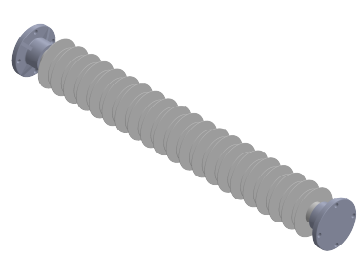
  1. Non-Stacking Units: These are single-piece insulators that don’t require stacking, making them ideal for lower-voltage applications. Their typical sizes range from TR202 to TR295. They are often used in smaller substations where voltage requirements are lower and complex support structures are less needed.
  2. Uniform Diameter Stacks: Uniform diameter stacks are commonly used for higher voltage applications. These insulators have a consistent diameter throughout their length and are stacked to achieve the required insulation level. Sizes for these insulators typically range from TR304 and above. They’re perfect for larger substations where high-voltage insulation is crucial.
  3. Tapered Stacks: Tapered stack insulators save weight and cost while still providing adequate insulation. These stacks comprise posts with varying diameters, offering identical electrical and cantilever ratings as their uniform diameter counterparts but lower tension and torsion ratings. This makes them an economical option without compromising performance in many applications.
  4. Cap-Pin Replacement: Traditional cap-and-pin insulators have design flaws that make them more susceptible to failure than modern station post insulators. As a result, cap-pin replacement units are often used to retrofit older substations with more reliable station posts. This helps improve overall system reliability and reduces the risk of outages.
  5. High-Leak Units: In polluted environments, such as industrial areas or coastal regions, insulators are exposed to contaminants like salt spray or chemical particles. High-leakage station post insulators have extended leakage distances achieved through more or larger shed profiles, improving performance and reducing the likelihood of flashovers in these harsh environments.

Tailoring Station Post Insulators to Operational Conditions

Not all substations are the same, and neither are their insulation needs. Depending on the environment, station post insulators are tailored to meet specific electrical and mechanical requirements. For instance, high-leak units with larger shed profiles are used in areas prone to pollution. In coastal regions, insulators with semi-conducting glaze may be necessary to resist the effects of salt spray and airborne particles. These premium insulators are designed for use in contaminated environments, making them invaluable in specific locations.

Additionally, insulators’ strength, material composition, and shed design can be customized to meet the demands of different operational conditions. This ensures that whether a substation is located in an industrial zone, rural farmland, or near the coast, there is an insulator that fits the bill.
Choosing the Right Insulator for Your Needs

Understanding the role of station post insulators in a substation’s operation is crucial to maintaining safety and efficiency. Whether you’re looking for a non-stacking unit for a low-voltage application or a high-leak unit for a coastal substation, Newell’s wide range of insulators is stocked and ready to ship, minimizing lead times and ensuring your projects stay on track. As a trusted provider of high-quality insulators, Newell offers tailored solutions to meet the most demanding electrical and mechanical requirements.

Do you need help selecting the right insulator for your project? Contact Newell today to learn how we can support your substation needs.

Grid Chronicles

March 2, 2026

Understanding Feed Through Insulators: Applications and Advantages

Feed through insulators are crucial components in both industrial and utility applications, ensuring the safe and efficient operation of electrical...

Read more
Feb 13, 2026

Cycloaliphatic Epoxy Insulators: The Best Choice for Harsh Winter Conditions

As winter storms approach, electrical systems must endure some of the harshest conditions—sub-zero temperatures, freezing winds...

Read more
Jan 27, 2026

Reducing Power Outages in Contaminated Areas During Winter: How Newell’s Insulators Can Help This Winter

Winter storms bring more than just snow and ice—they pose a significant challenge....

Read more
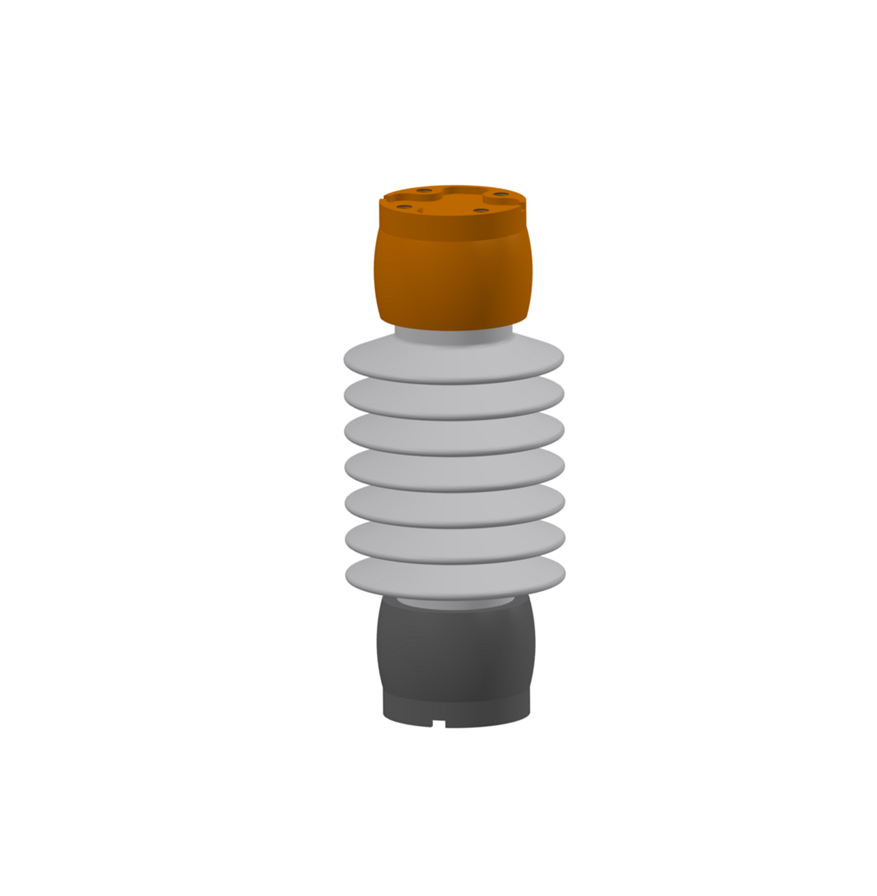
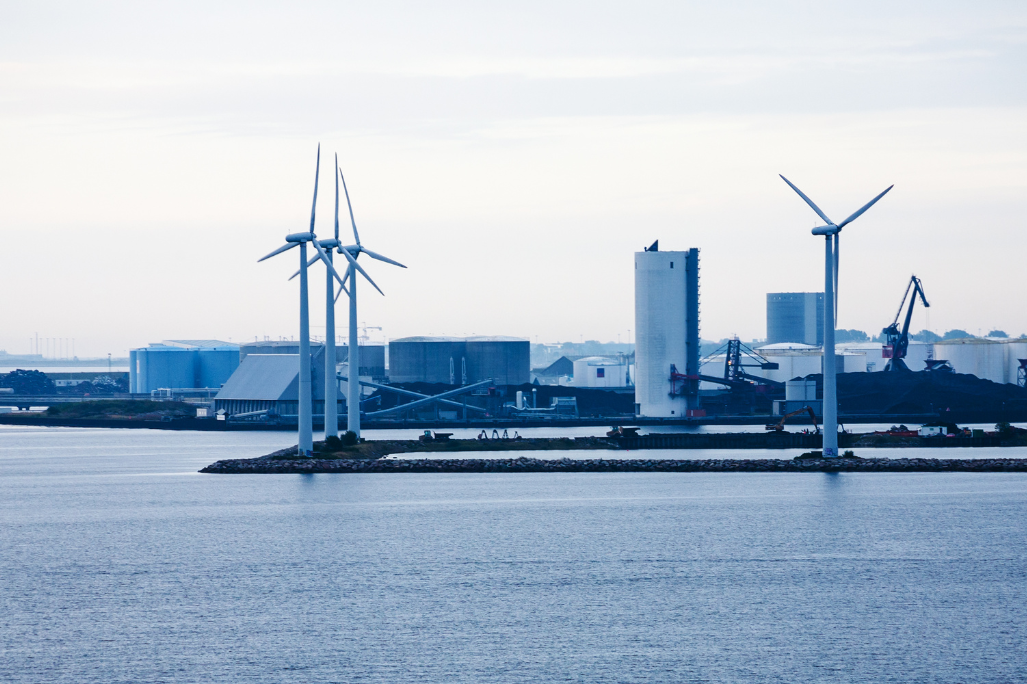
Wind-powered offshore electricity is becoming an essential source of renewable energy for millions of homes. However, transmitting this energy to the onshore grid presents a unique set of challenges due to the harsh marine environment. To overcome these hurdles, high-voltage insulators, specifically engineered for offshore conditions, play a critical role in ensuring reliable and uninterrupted energy transmission. These advanced solutions are helping to support and strengthen the next generation of offshore wind infrastructure.

How High-Voltage Insulators Ensure Reliable Power Transmission from Offshore Wind Farms

September 4, 2025

Wind-powered offshore electricity is becoming an essential source of renewable energy for millions of homes. However, transmitting this energy to the onshore grid presents a unique set of challenges due to the harsh marine environment. To overcome these hurdles, high-voltage insulators, specifically engineered for offshore conditions, play a critical role in ensuring reliable and uninterrupted energy transmission. These advanced solutions are helping to support and strengthen the next generation of offshore wind infrastructure.

Tackling Contaminated Environments with Advanced Materials

Adverse to the marine environment, power transmission equipment must contend with the internal limitations of salt fogs and sea mist, which can conduct high currents and lead to short-circuiting in normal insulators. Semi-conductive glaze insulators by Newell are specifically designed for such an environment. With the use of advanced dopants like those of tin and antimony, the glaze converts itself from an insulating to a semi-conductive property, thereby minimizing leakage currents of any kind and performing with operational stability. These insulators meet artificial pollution tests as defined by IEC and perform better than conventional insulators at salinities up to 224 kg/m³. High-voltage insulators protect against clean contamination failure for faultless operation at offshore wind farms.

Solid Core Construction to Counteract Adverse Weather

Harsh weather conditions, such as icing, snow bridging, or gusts, are the usual conditions offshore. Insulation material, therefore, used in such weather conditions needs to have superiority in resilience. All this has led to cutting-edge technology where Newell’s solid core construction eliminates all the limitations of hollow-core designs and offers unparalleled mechanical strength and reliability.

Built with durability in mind, these insulators are engineered to endure substantial mechanical stress while withstanding the corrosive effects of the offshore environment. This resilience translates to fewer maintenance demands and less unplanned downtime—key advantages for operators managing remote wind installations.

Enhanced Performance in High-Voltage Applications

High voltage transmission requires insulators that are capable of withstanding gargantuan electrical stresses without a compromise to either the safety or the efficiency of operations conducted. Newell insulators are tested to meet even the most demanding standards of ANSI, IEC, and IEEE specifications. Accordingly, for instance, semiconductive glaze systems undergo 100 percent leakage current testing, thereby ensuring ultimate performance when used at high voltages.

Maintaining the necessary level of capacitance and reducing resistive leakage enables efficient energy transfer occurring from the turbines to the onshore grid, and therefore reduces energy losses while delivering maximum output.

Short Lead Times to Enable Significant Infrastructure Projects

One of the best advantages that Newell offers is its commitment to holding a robust supply of high-voltage insulators in stock. Unlike its rivals, a hands-on stock indicates insulators are almost always available for shipment. For offshore wind farm developers, this equates to shorter program durations and lower incurred costs related to delays.

Newell’s quick response to the market assures that it is a dependable ally in this speed-of-light system of renewable power, whether utilities, contractors, or distributors are being supplied.

Proven Reliability Backed by Decades of Expertise

With years of experience, Newell’s semiconductive glaze technology has been demonstrated to be nearly flawless. These extensive years of experience, coupled with stringent quality control of insulators, ensure all insulators are being produced to the highest standards of reliability and endurance.

Newell’s insulators undergo performance testing under the most extreme conditions through ANSI/IEEE tests and artificial pollution testing. Consequently, they become a necessity in offshore wind farm power transmission.

A Commitment to American Manufacturing and Support

With an extensive network of warehouses across the U.S. and strategic international partnerships, Newell is well-positioned to meet the high-voltage insulator demands of its global customer base. Backed by a skilled and experienced team, the company is known for delivering industry-leading lead times and has become a trusted partner for renewable energy projects nationwide.

Its strong local presence also ensures full compliance with U.S. standards and enables fast, dependable customer service.

Partner with Newell for Offshore Wind Power Reliability

High-voltage insulators are not merely components but the structural framework of any serious offshore wind power transmission project. With the latest materials and innovative ideas in design, and with proven commitment to the highest quality and punctual deliveries, Newell’s insulators are the best of the best in the industry and the ideal choice. Whether you’re a utility manager, contractor, or procurement specialist, Newell offers comprehensive solutions essential to maintaining reliable power delivery.

Are you ready to take your renewable energy projects to a whole new level? Get in touch with Newell for more information about our high-voltage insulator solutions!

Grid Chronicles

March 2, 2026

Understanding Feed Through Insulators: Applications and Advantages

Feed through insulators are crucial components in both industrial and utility applications, ensuring the safe and efficient operation of electrical...

Read more
Feb 13, 2026

Cycloaliphatic Epoxy Insulators: The Best Choice for Harsh Winter Conditions

As winter storms approach, electrical systems must endure some of the harshest conditions—sub-zero temperatures, freezing winds...

Read more
Jan 27, 2026

Reducing Power Outages in Contaminated Areas During Winter: How Newell’s Insulators Can Help This Winter

Winter storms bring more than just snow and ice—they pose a significant challenge....

Read more
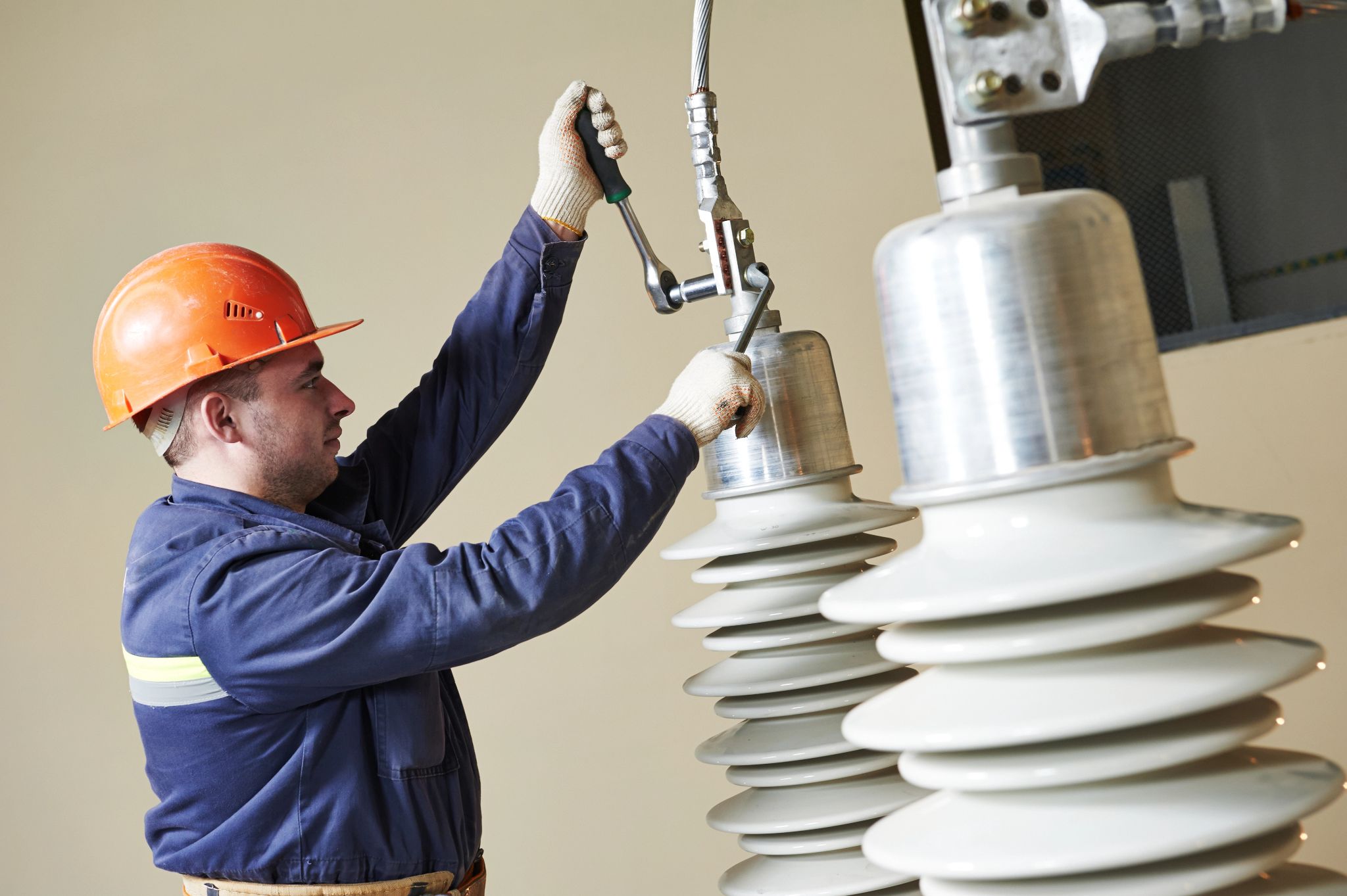
In an industry where the supply chain is king, Power Grid Components Inc.’s subsidiary Meister has distinguished itself through impressive inventory management. With over two thousand porcelain, cycloaliphatic, and polyester insulators and bushings on hand and ready for shipment. This not only ensures they are always supported, but also provides a vital competitive edge.

Leveraging Large Inventory for OEM Success: A Meister International Strategy

June 20, 2025

In an industry where the supply chain is king, Power Grid Components Inc.’s subsidiary Meister has distinguished itself through impressive inventory management. With over two thousand porcelain, cycloaliphatic, and polyester insulators and bushings on hand and ready for shipment. This not only ensures they are always supported, but also provides a vital competitive edge.

In Stock and Ready for Immediate Shipment

The extra edge that has placed Meister in this strategic position is a stockpile of inventory that they can dispatch within one day. The significant inventory is not merely a figure—it is a source of hope to OEMs, Utilities, and Repair Companies struggling with production hitches occasioned by shoddy supply chain management. While competitors make it take as long as 18 weeks to prepare the orders for shipping, Meister’s offer to ship the orders immediately helps firms stay on track and avoid idle time.

Responsive Customer Service

Another key factor that has contributed to the success of Meister is the great customer service provided by the company. It processes as many calls as requested in a single day and is lauded for its ability to complete calls in a relatively short time. Our measure of customer service is minutes, not hours. This is welcome, especially in an industry where time is money; this gives the OEMs assurance they have a good partner who is but an email or phone call away. The kind of responsiveness shown is an example of the kind of customer care that Meister has for its clients, and it is an important asset in the long-term business with the customers

Quality and Durability

Where speed and volume are paramount, cost is not a factor at Meister. Every insulator in their large stock is built to precise specifications to ensure they meet and exceed industrial and utility standards. 

Cross-Selling Capabilities

Beyond just supplying insulators, Meister leverages its position in the fold of Power Grid Components Inc. to raise its cross-selling capabilities. This competitive advantage allows Meister to sell its own products and those of its sister companies like Newell, ITEC, and Royal. When Meister gets an order from OEM customers, the customers have the benefit of being in a position to procure a broader range of complementary products that can be shipped together. This facilitates easier procurement for customers and drives innovation and efficiency in customers’ projects by making a wider range of high-quality components from established sources within the same corporate family available.

Competitive Advantage

Meister’s unparalleled inventory levels and rapid response are in stark contrast to the lengthy wait times and minimal communication of most of its competitors. This has allowed Meister to secure and grow customer business and become an OEM market partner of preference. Shipping high-quality products promptly and responding to customer calls quickly have made Meister one of the industry’s top players.

Partner with Meister: Your Gateway to Enhanced OEM Efficiency

For OEMs looking to optimize their operations and maximize their production efficiency, dealing with Meister is a proven path to success. With our vast inventory, excellent customer service, and unyielding commitment to quality, we are prepared to serve your projects and make your goals attainable in no time. Contact Meister today to discover how our inventory solutions can transform your supply chain problems into competitive advantages. Let’s construct success together because at Meister, we’re ready when you are!

Grid Chronicles

March 2, 2026

Understanding Feed Through Insulators: Applications and Advantages

Feed through insulators are crucial components in both industrial and utility applications, ensuring the safe and efficient operation of electrical...

Read more
Feb 13, 2026

Cycloaliphatic Epoxy Insulators: The Best Choice for Harsh Winter Conditions

As winter storms approach, electrical systems must endure some of the harshest conditions—sub-zero temperatures, freezing winds...

Read more
Jan 27, 2026

Reducing Power Outages in Contaminated Areas During Winter: How Newell’s Insulators Can Help This Winter

Winter storms bring more than just snow and ice—they pose a significant challenge....

Read more
Where station post insulators are concerned, choosing to utilize porcelain or composite materials is critical to maintaining long-term stability and performance in the power transmission system. Though both have varying advantages, your decision must be based on the specific needs of your project, external environmental conditions, and long-term performance specifications. This blog will discuss the primary differences between porcelain and composite station post insulators to allow you to make an informed purchase decision for your next order.

Station Post Insulators: Porcelain vs Composite

April 2, 2025

Where station post insulators are concerned, choosing to utilize porcelain or composite materials is critical to maintaining long-term stability and performance in the power transmission system. Though both have varying advantages, your decision must be based on the specific needs of your project, external environmental conditions, and long-term performance specifications. This blog will discuss the primary differences between porcelain and composite station post insulators to allow you to make an informed purchase decision for your next order.

Durability and Mechanical Strength

Porcelain

With over 50 years of manufacturing history, Newell’s porcelain station post insulators have superior mechanical properties. Porcelain exhibits better endurance with high mechanical stress, torsion, and compression resistance and can be used for long-term application in both non-stacking (up to 161 kV) and stacking (230 to 765 kV) uses. Porcelain mechanical ratings include a cantilever strength that is a function of the insulator size.

Composite

On the other hand, composite insulators, made from fiberglass rods with bonded silicone rubber coverings, also exhibit excellent mechanical strength. Newell’s composite insulators, for example, may have mechanical ratings equal to, if not superior to, porcelain, and their cantilever strength will be a function of the insulator’s size. Composite materials are flexible and can flex slightly under mechanical loads without breaking, which is beneficial when subjected to vibration or dynamic loading.

Category: Station Post Insulators, Sub Category: Tapered Stacks, Strength: Extra High Strength, TR Number: TR-369, Typical Application Voltage (kV): 345kV, BIL Rating (kV): 1300kV, Bottom BC (in): 7, Cantilever (lbs): 2050, Height (in): 106, Leakage (in): 231, Top BC (in): 5

Environmental Performance

Porcelain

Porcelain station post insulators offer very high resistance to environmental deterioration. Newell also offers porcelain insulators with an NPRTV® coating, which provides extra protection against industrial contamination and salt spray. The coating further eliminates the requirement for frequent washing and resists power loss due to contamination. Uncoated porcelain, however, may retain contamination more in highly polluted environments, leading to a diminution of performance over time.

Composite

The structure of composite insulators makes them naturally resistant to environmental damage. The silicone rubber housings on these insulators create water-resistant surfaces that protect against the buildup of contaminants. Composite insulators work best in areas with high levels of contamination, including coastal areas and industrial zones. Such insulators reduce the probability of flashover incidents triggered by environmental contaminants.

Electrical Performance

Porcelain

According to ANSI, porcelain insulators exhibit better electrical performance, with impulse-withstand voltages ranging from 95 kV to 2050 kV. They are reliable insulators under high-voltage conditions; hence, porcelain insulators are a safe choice for most utility applications. The longevity of porcelain insulators extends beyond decades because they maintain their electrical properties throughout time.

Composite

According to ANSI, composite insulators are also reliable electrically, with a maximum impulse withstand voltage of 1470 kV. They perform exceptionally well where flashover of environmental contaminants is a problem, as the hydrophobic nature of the silicone rubber housing prevents electrical discharge in contaminated conditions.

Weight and Ease of Installation

Porcelain

Due to their great weight, porcelain insulators present significant burdens for both shipping activities and project installation. A porcelain insulator that works at 110 kV BIL exceeds 16 lbs. The weight invested to enhance strength creates installation challenges for limited access or when working at high elevations.

Composite

Composite insulators are considerably lighter and, therefore, easier to transport and install. A standard composite station post insulator for application with 110 kV BIL installations may weigh as little as 7 lbs, thus allowing quicker, cheaper installation. Composite insulators would be the natural choice, and installation cost and time must be minimized.

Cost and Availability

Porcelain

Porcelain insulators also cost less upfront. Newell’s porcelain insulators can be stocked from inventory with short lead times and rapid delivery, a valuable selling feature compared to the competition. However, the cost of maintaining clean and coated porcelain insulators in filthy surroundings does add up in the long run.

Composite

Even though composite insulators can cost more initially, they do not require more maintenance and survive longer under harsh conditions. Their ability to withstand contamination and need to be cleaned less often can translate to lower overall lifecycle costs in places with high industrial pollution.

Category: Station Post Insulators, Sub Category: Composite, Strength: Standard Strength, TR Number: TR-286, Typical Application Voltage (kV): 115kV, BIL Rating (kV): 550kV, Bottom BC (in): 5, Cantilever (lbs): 1700, Height (in): 45, Leakage (in): 106.3, Top BC (in): 5

Which Should You Choose?

Deciding between composite and porcelain station post insulators ultimately comes down to your project needs. If you want a tried-and-true, cost-effective solution with lower upfront costs, porcelain could be the best option, especially for less extreme environments. However, if you have high contamination or challenging installation conditions, composite insulators might have a better long-term value because they require less maintenance and weigh less.

Making the Right Choice for Your Project

When choosing between porcelain and composite station post insulators, you must weigh your project’s long-term benefits and personal needs. Newell’s extensive inventory of both options provides you with quality products with industry-leading shortest lead times, no matter the choice. Either option, the tried-and-tested dependability of porcelain or composites’ inherent flexibility, Newell possesses what it takes to provide your power transmission work with the best in either event.

Contact Newell today to discover our full range of insulators and why many contractors and utilities trust us with their mission-critical infrastructure projects.

Grid Chronicles

March 2, 2026

Understanding Feed Through Insulators: Applications and Advantages

Feed through insulators are crucial components in both industrial and utility applications, ensuring the safe and efficient operation of electrical...

Read more
Feb 13, 2026

Cycloaliphatic Epoxy Insulators: The Best Choice for Harsh Winter Conditions

As winter storms approach, electrical systems must endure some of the harshest conditions—sub-zero temperatures, freezing winds...

Read more
Jan 27, 2026

Reducing Power Outages in Contaminated Areas During Winter: How Newell’s Insulators Can Help This Winter

Winter storms bring more than just snow and ice—they pose a significant challenge....

Read more